What Ghostwriting Teaches About Voice

David Foster Wallace had an exercise he recommended to the young writers in his class. Take a book you love, read a page, then copy it out by hand on a fresh sheet of paper — word for word, punctuation and all.
The goal is to be a ghost of your favorite writers.
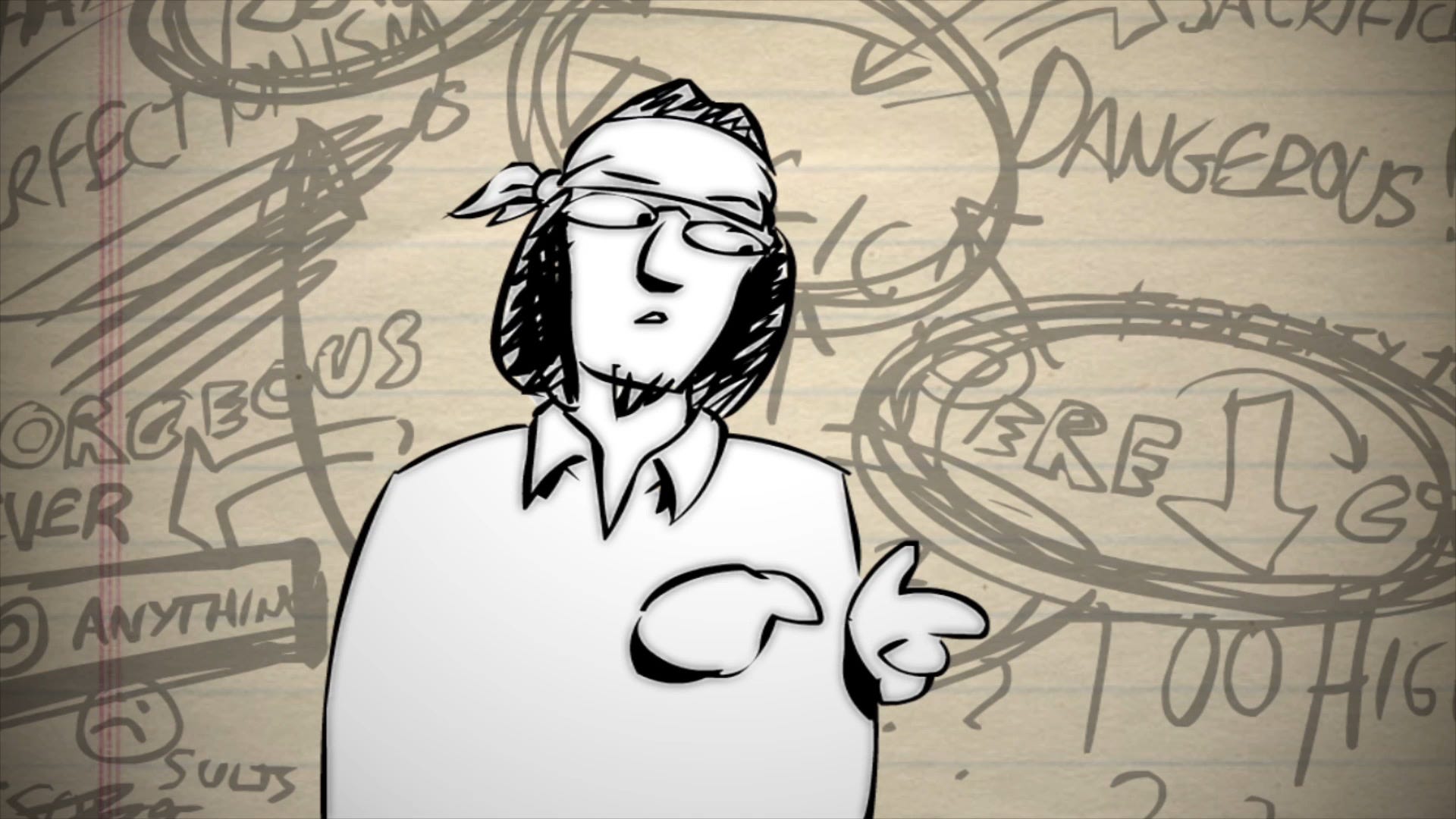
In the exercise, by typing out the scenes or full pages, the idea is to pay close attention to how the sentences are built, how the clauses connect, how one sentence becomes a paragraph, or how they run on. How they’re fragmented. Or how the voice shines through regardless of the page you chose.
The point isn’t to steal the work, but to feel what it’s like to write it — to have the physical experience of writing like your favorite author, and see from the inside how a sentence that looks effortless on the page was actually constructed.
I don’t do this as often as I used to. But when I’m stuck on a scene in my own work, I’ll sometimes sit down and type out a page of Cormac McCarthy — very badly, often full of typos, just to get a feel for how he moves through a scene. How he handles a long sentence, a description, or how he knows when to stop after he’s made the point.
Ghostwriting taught me a version of this same practice.
When you write for other people across enough different formats — novels, memoirs, video game scripts, comics, SEO finance blogs people are likely to skim — you start to understand how every format of writing has its own rhythm. Not just technical rhythm or format, but emotional too.
Comics don’t move like novels; every single page needs to be a cliffhanger to keep turning more, unlike every chapter. Games don’t move like movies; almost every scene needs to end in a combat or gameplay scenario, and you have to ensure it’s not contrived. Even within prose, a founder’s memoir sounds nothing like an adventure novel, which sounds nothing like a self-help book. The rhythm, the sentence length, the relationship between the writer and the reader — all of it shifts.
To ghost well, you have to be willing to disappear into the page. Your job is to sound like someone else — to embody the voice of a person or a brand. And the strange thing is, you can actually do it. You can write convincingly in almost any voice if you’re willing to pay attention to the right things — how they talk, what they emphasize, where they let a sentence rest. Or where they cut it short.
Some part of your voice will always come through. That’s inevitable, and it’s why casting a wide net is so valuable at the start — it lets you know the style you gravitate towards. Where you’re convincing, and where you’re too disingenuous. But the exercise of trying to suppress your voice, in all these opportunities, teaches you exactly where your instincts live and what they’re actually doing. I learned more about my own voice from writing other people’s voices than I ever did from writing my own.
When I started working on an adventure romance novel for my wife, for example, I was writing outside my normal genre. So, I had to do something I’d essentially been doing for clients for years: read in the genre until I understood how it worked.
I studied how some of the great romance, travelogue, and adventure writers blocked their action scenes, how their dialogue felt, and how they guided the reader through space and the pages without ever tripping them up. I had to find the version of the genre that fit my style, and understand the parts that would grate against it.
I still have a hard time with adverbs, by the way. Annoyingly hard time.
So, be a ghost. Find your writing voice by stretching it out — to write in formats and genres that push back against your style, and by paying close attention to where and how they push back. Observe the places where you can’t quite do what the other writer does, where something in you resists, where the sentence comes out wrong. They’re mistakes in your voice as a ghost, but they refine your voice as a writer.
The goal is never to be anyone else, but to learn from trying to be.